Price rises have become a feature of recent news stories and as a shopper, you’ve likely been seeing the difference in your weekly bill.
For the independent, sustainable food traders that make up the Better Food Traders network, navigating these price rises has become increasingly complex, but keeping good food accessible and prices stable for their communities is the top priority.
Why are these price rises happening?
The UK and global food systems are facing a range of severe challenges for sustainability, health, resilience and economics. Reliance on imports in a world of geopolitical instability and highly complex supply chains are affecting our access to food, especially in the places where most people engage with the food system: large supermarket retailers.
For the independent, sustainable food traders that make up the Better Food Traders network, avoiding these practices is baked into their business model, but they are still managing the effects of rising prices.
Global inflationary pressure, i.e. the rising cost of goods, the cost of fuel for haulage, and the cost of energy for premises, are all being pushed upward by extreme weather, geopolitical instability and conflict. These are largely beyond any individual business’ control, and they ripple through every stage of the supply chain before a product ever reaches a shelf.
Closer to home is the pressures and costs of doing business in the UK. Better Food Traders are supportive of paying their fair share of tax, though the combined weight of rising Business Rates and the increase in Employer’s National Insurance Contributions, landing on top of those external pressures, is making it ever harder for small and medium-sized businesses to stay afloat.
The impact of rising costs on independent traders
For Better Food Traders, navigating price rises is complex. These are enterprises that are committed to keeping their businesses viable, while also prioritising access and affordability for their communities; working with the seasons; fair pay for local climate and nature friendly farmers; and decent wor themselves and their teams. This summer’s extreme weather has shown the changing nature of what we can reliably grow, sell and eat in the UK and the cost of doing so.
Whilst adapting to price changes has always been part of the job, the speed, the spread and the surge in these price increases is new territory for many traders in the network. Everyone is learning how to navigate the current situation and all are taking different approaches, led by the specific customer needs, operating environments and priorities of their business.
Finding strategies for survival
This year, as unpredictable weather due to climate change came closer to home, we saw that the costs of running small, independent businesses increased more than ever. Traders across the Better Food Traders network had to navigate rapidly rising costs of fresh fruit and veg produce and beyond.
We spoke to Better Food Traders members to build a picture of the strategies they are employing to keep organic and agroecological food flowing in their communities.
From a smallholding and online shop in rural North East England, a mobile greengrocer operating across Liverpool, and a high street grocery store in Bristol, here are 3 stories of how food traders are navigating price rises:
Queen of the Greens, a mobile greengrocer working across Liverpool, has been working round the clock to keep on top of daily price jumps and manage the lack of availability of staple items, such as cauliflowers, tomatoes, aubergines and peppers. They have been managing this by swapping products, stopping some items, communicating with customers, and even rationing. For example, they stopped stocking raspberries because they reached the limit of what their customers could pay. Other items, like cauliflowers, are more expensive and smaller than previous years, so they are not buying them in. Some produce can be switched, such as swapping out raspberries for grapes, kiwis for figs, and familiar green courgettes for yellow ones from a local organic farm. Changes bemused customers at first, requiring staff to explain and manage disappointment. The UK’s summer weather has meant a better appreciation of the harvest pressures, and many customers do understand – but developing customer understanding whilst meeting the demand is hard work.
“Customers get it – we have in the past not been able to supply things due to wholesale costs and the hot UK weather has meant a better understanding of the harvest pressures…It’s a bit firefighting to be honest and is doubling the work load to keep checking prices daily.” Lucy from Queen of the Greens.
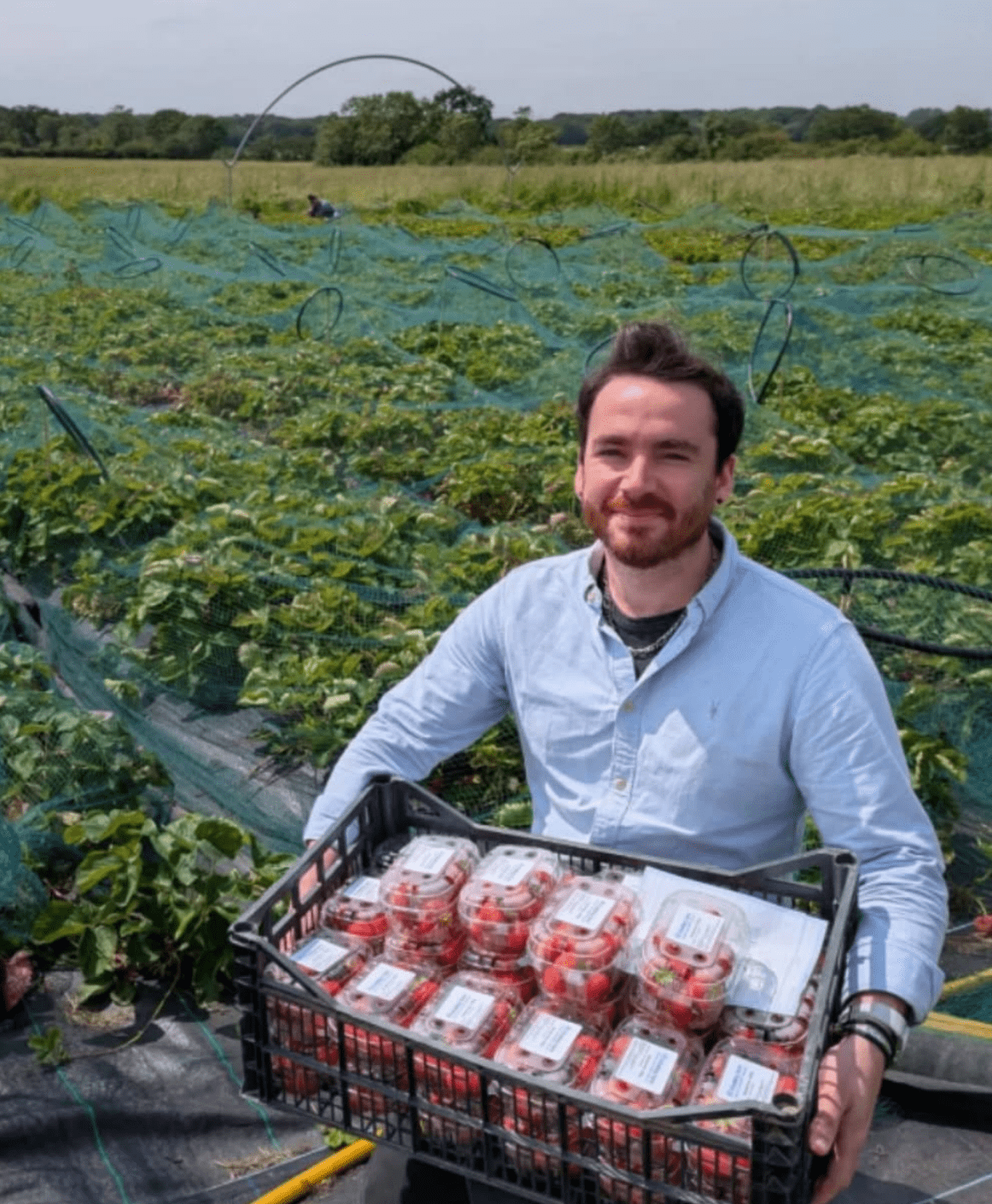
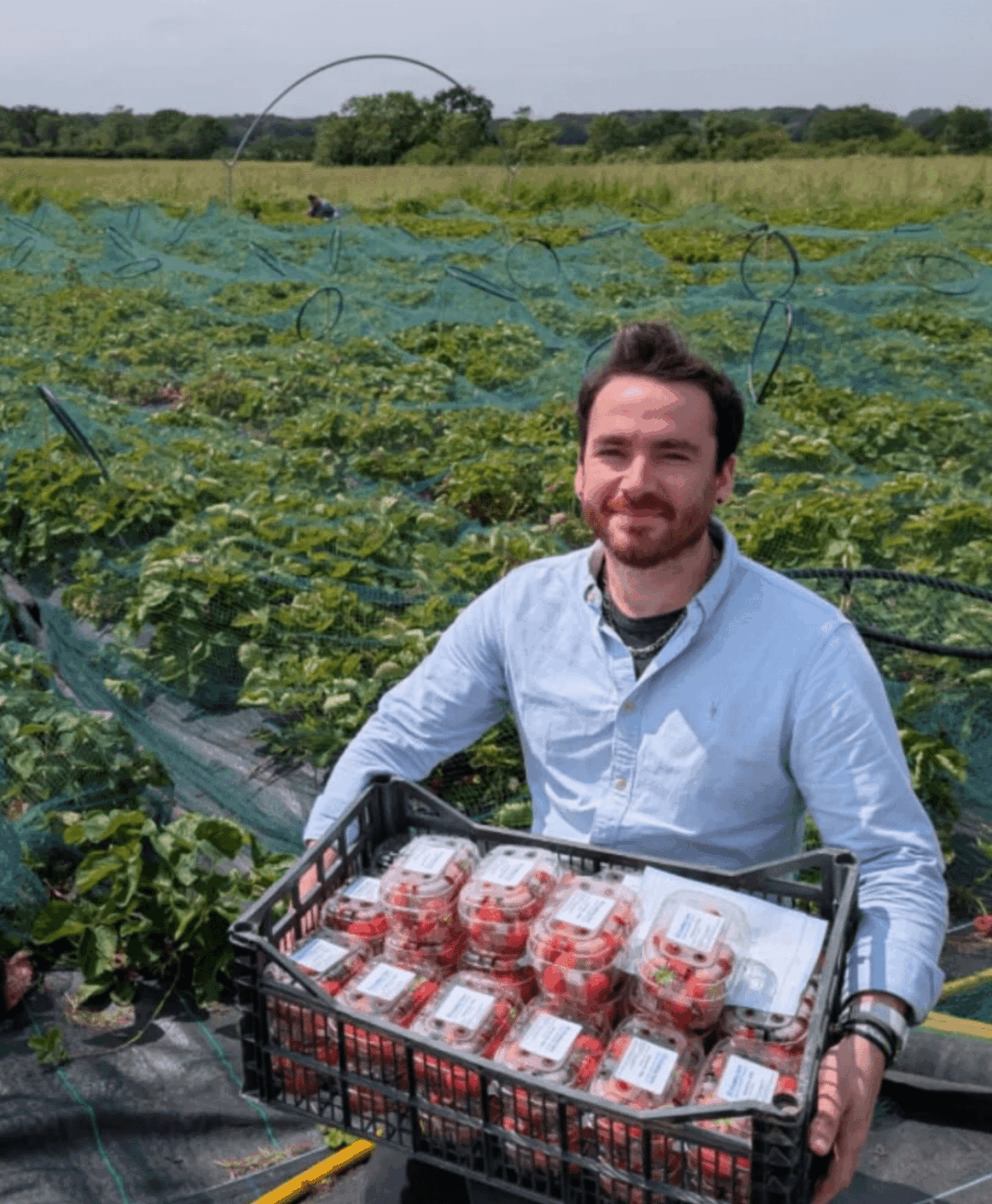
The Paddock, a privately run family smallholding and online retailer of fruit & veg boxes & associated groceries in rural North East England, knew they would need to raise their prices at the beginning of the financial year, but held off until September as a way to thank loyal customers for their ongoing support. They knew sales would be down in summer whilst people took holidays, and that their customers most enjoy the bounty and diversity of their veg box in late summer/early autumn when the UK season is abundant, so they decided September would be the best time to communicate why it was necessary to increase the price of a box. As a business, The Paddock’s priority is supplying UK-grown produce, which has helped steer their decision making around how they tell that story to customers.
“I would second what the other members have said – we are all finding new ways to work. Education is key, and for us part of our decision to wait until September was to thank our loyal customers for their ongoing support – to show how much our customers mean to all of us on the BFT network!” Laura at the Paddock.
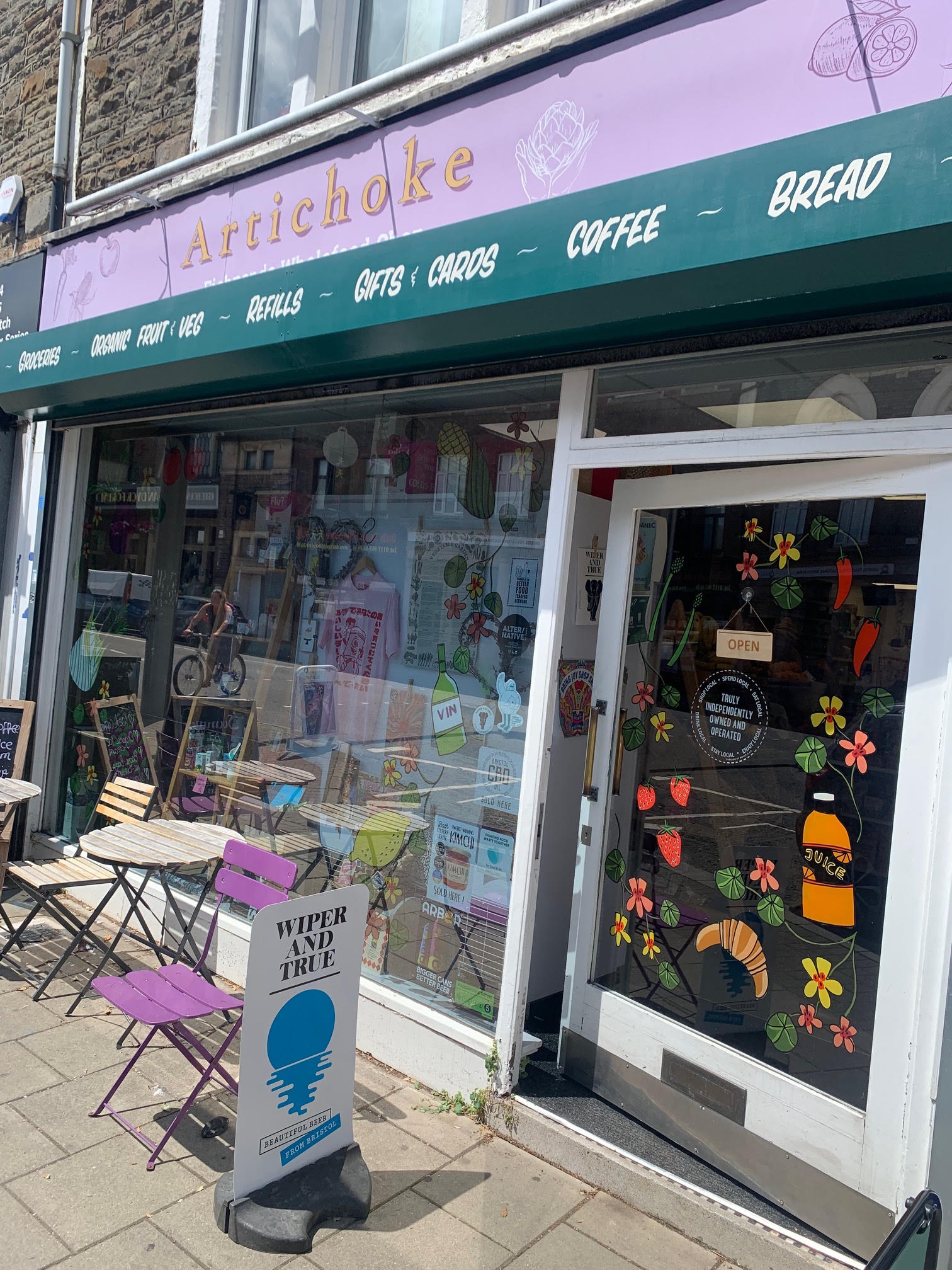
Artichoke Wholefoods, an independent high street shop in Bristol, are working hard to attract customers on a street with increasing numbers of supermarket chains. Over the past 5 years, their USP has been working with small, independent brands and local producers that customers can’t find in supermarkets. In some instances, important suppliers of core basket items have been affected by rising costs and closed or changed their businesses abruptly, leaving Artichoke without core products that bring customers into the shop. In other aisles of their shop, they’re increasingly seeing the small brands they work closely with making their way into supermarkets. As supermarkets have bigger buying and negotiating power, they can undercut indies like Artichoke Wholefoods on price. To navigate this, Artichoke have been nurturing new supplier relationships, promoting their values as an independent retailer , and hosting events to increase footfall.
What can shoppers do?
Better Food Traders make it easy to buy what’s in season. Independent retailers value close relationships with their producers which means through your purchasing power, you’re shortening the supply chain between the producer and your plate. By creating more demand, you’re helping boost production and ensure that more sustainable products are available.
Research has also shown that shopping at independent retailers can be more price stable than shopping at supermarkets. As Food Foundation reports, shorter supply chains “are less exposed to the import price volatility, currency movements and logistics costs that supermarkets depend on and instead prices are often determined by seasonal agreements, subscriptions and producer-consumer relationships.”
And as we saw from traders above, the people who run these enterprises care about their customers and work hard to keep pricing steady for their communities.
Facing the future
Sadly, price instability looks to continue to be a challenge facing independent traders while the pressures of the economic system and climate change persist. However, through being part of networks such as Better Food Traders, and through the support of valued-customers, these traders will continue to learn to adapt and survive. What’s clear though, is that they need support more than ever.
Actions you can take today
- Find your nearest Better Food Trader and sign up for a weekly veg subscription, order online or shop in store.
- Share the Better Food Traders Map with your friends and family to help them find their nearest traders.
- If you’re a Better Food Trader and you want to speak to other traders about how price rises are affecting you, attend our next Members Meet-Up to hear from The Paddock and swap tips for navigating it collectively.
- If you want to learn more about UK food resilience, sign up to our newsletter , where we’ll soon be publishing a report on Local Authority Powers for Supporting Sustainable Food Retail, published as part of the BAFR-UK Project (Backcasting to Achieve Food Resilience in the UK) .